The Quiet Advantage: What Your Most Successful Colleagues Aren't Telling You About Their Schedule
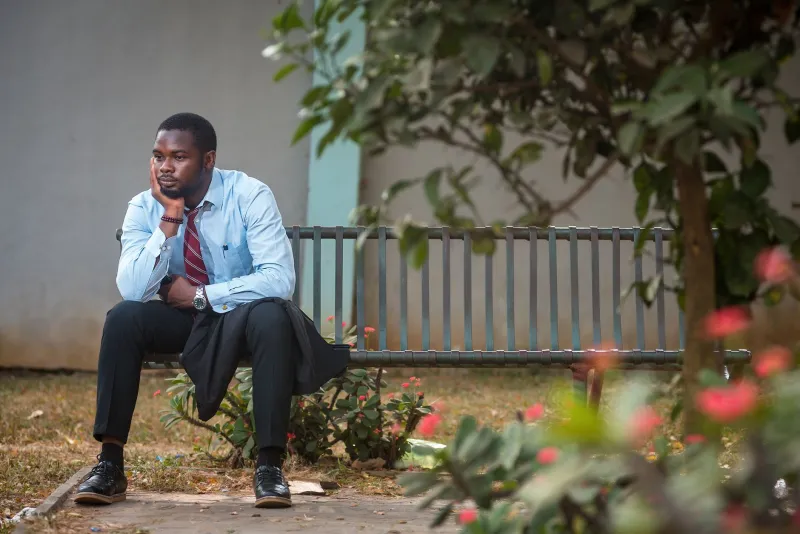
There's a story we tell ourselves about success in this city. It goes something like this: the person who answers emails at 11pm, who hasn't taken a real lunch break since 2019, who wears their packed calendar like a badge of honor — that person is winning. The rest of us are just trying to keep up.
Except that story is wrong. And some of the most accomplished people in San Francisco's professional ecosystem will tell you so — quietly, and usually only after you've earned their trust.
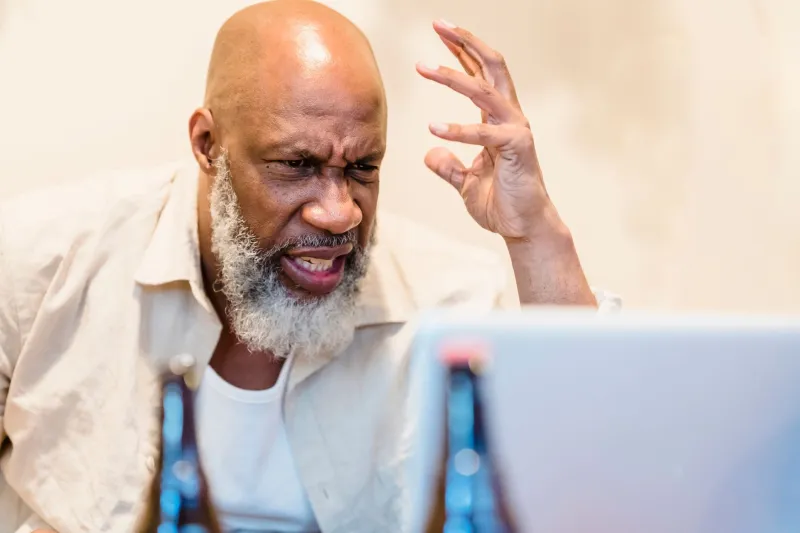
The Performance of Busyness
Let's be honest about something uncomfortable. A lot of what passes for productivity in modern work culture is theater. Back-to-back Zoom calls. Slack responses timed to signal availability. Inboxes treated like they're on life support and only you can save them.
Behavioral researchers have a term for this: "performative busyness." It's the habit of optimizing for the appearance of output rather than actual results. And it's absolutely rampant in urban professional environments — especially in tech-adjacent cities like ours.
A landmark study out of Stanford found that productivity per hour drops sharply after 50 hours of work per week, and falls off a cliff beyond 55. People logging 70-hour weeks were producing roughly the same output as those working 55. They were just exhausted and significantly less happy about it.
So who's actually paying attention to that data? Turns out, your most successful peers are.
What They're Actually Doing With Their Time
We spoke with several SF-based professionals across industries — a venture-backed founder, a senior product director at a major tech firm, a partner at a mid-size law firm, and a creative director at an agency — all of whom requested varying degrees of anonymity because, as one of them put it, "I don't want people to think I'm not working hard."
That hesitation is itself telling.
But when they opened up, the patterns were striking. Almost universally, these high-achievers described protecting large blocks of unscheduled time with the same ferocity most of us reserve for our most important meetings.
"I have two hours every morning that are completely off-limits," said the product director, who oversees a team of 40. "No Slack, no email, no standups. That's when I do the thinking that actually moves things forward. Everything else is just maintenance."
The founder described a similar ritual — a long midday walk through Dolores Park, phone left on her desk, that she credits with more strategic breakthroughs than any offsite or brainstorm session. "People see me leaving the office and assume I'm heading to a meeting," she said. "I've stopped correcting them."
The Neuroscience Behind Doing Less
This isn't just anecdote. Cognitive science has been making this case for years, and it's finally starting to land in mainstream workplace conversations.
Your brain operates in two distinct modes: focused mode, which handles active problem-solving and task execution, and the default mode network (DMN), which activates during rest, mind-wandering, and low-stimulation states. Here's the kicker — the DMN is where your brain consolidates information, makes non-obvious connections, and generates genuinely novel ideas.
Every time you check your phone, refresh your inbox, or fill a quiet moment with a podcast, you're interrupting that process. You're essentially pulling the plug on your own creative infrastructure.
The people who guard their offline time aren't being precious or lazy. They're running better cognitive hardware than the rest of us because they're actually letting it recharge.
The Calendar as a Mirror
Take a look at your calendar for last week. Now ask yourself: how much of that time was genuinely generative? How much of it was reactive — responding, attending, accommodating?
For most professionals, the honest answer is uncomfortable. The generative stuff — the thinking, the creating, the strategizing — gets crammed into the margins. Early mornings before the notifications start. Late nights when the brain is already depleted. Whatever's left after everyone else's priorities have been served.
The people outperforming you have often just made a different structural choice. They've decided that their best cognitive hours are non-negotiable, and they've built their schedules around protecting them rather than surrendering them by default.
"I stopped letting my calendar be a democracy," said the creative director. "Other people's urgency is not automatically my priority. Once I internalized that, everything changed."
Disconnection as a Career Strategy
This is where digital wellness stops being a lifestyle concept and becomes a genuine professional edge.
When you're constantly available, you're also constantly reactive. Your attention is always being pulled toward whatever's loudest, most recent, or most demanding — not necessarily what's most important. Over time, that erodes your capacity for the kind of deep, sustained thinking that actually differentiates strong performers from average ones.
The law firm partner we spoke with described instituting a firm-wide "no internal email after 7pm" policy — not as a wellness initiative, but as a performance initiative. "The quality of work improved. People came in with fresher thinking. It wasn't even close."
Strategic disconnection — whether that's a phone-free morning, a tech-free weekend, or simply a daily walk without earbuds — isn't about rejecting ambition. It's about understanding that your brain is a resource, and that resource has real limits that can't be hacked away with another productivity app.
What You Can Actually Do This Week
You don't need to overhaul your entire life. Start with one concrete shift:
Protect one 90-minute block per day for your most important work — not meetings, not email, not Slack. Close the tabs. Put the phone in a drawer. Let the world wait.
Take a real lunch break. Leave your desk. Leave your phone. Walk somewhere. Eat something. Be somewhere other than your screen for thirty minutes. The research on afternoon cognitive performance after genuine midday rest is unambiguous.
Stop filling your commute. Whether you're on BART or walking up Market Street, try doing it without a podcast, a playlist, or a phone in your hand. Let your mind wander. Notice what surfaces.
Say no to one meeting this week that you know in your gut doesn't need you. Use that time to think instead of perform.
The Real Flex
Here's the thing about hustle culture that nobody wants to say out loud: it's a great cover for not doing the harder work of figuring out what actually matters.
Being busy is easy. Anyone can fill a calendar. The genuinely difficult skill — the one that separates the people quietly thriving from the ones loudly grinding — is knowing when to stop, when to step back, and when to let your mind do the kind of slow, uninterrupted work that no productivity system can replicate.
Your most successful peers aren't working fewer hours because they've got it easier. They're working fewer hours because they figured out that the hours you don't fill are often the ones that matter most.
That's not a secret anymore. Now it's just a choice.