Step Away from the Desk: Reclaiming Your Lunch Hour as the Most Radical Thing You'll Do Today

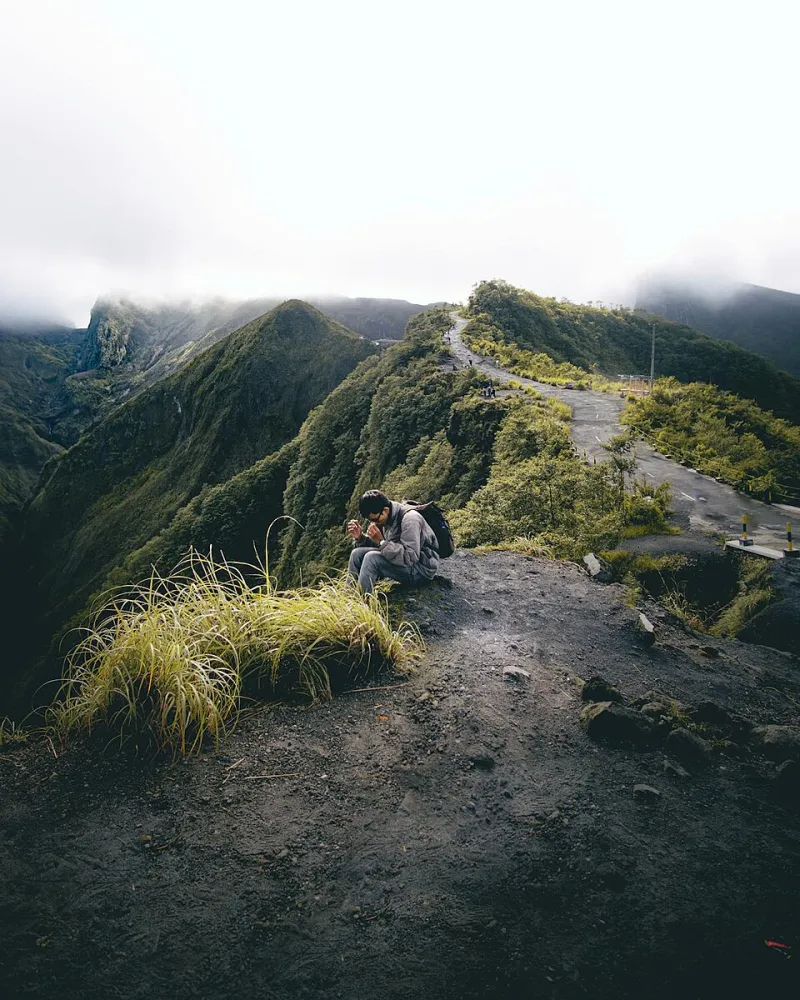
Photo by Photo by Hasnain Sikora on Unsplash on Unsplash
Somewhere along the way, eating lunch at your desk became a badge of honor. A signal to your open-plan office that you are serious, dedicated, indispensable. You don't need a break. Breaks are for people who aren't as committed as you.
This is, to put it plainly, a lie we've all agreed to tell each other — and it's costing us more than we realize.
The average American worker takes a real lunch break fewer than three times a week, according to data from the NPD Group. In tech-heavy cities like San Francisco, that number skews even lower. And "real" is doing a lot of work in that sentence — because eating while answering emails, scrolling LinkedIn, or half-watching a Zoom call is not a break. It's just work with worse posture and a sandwich involved.
What We Lost When We Ate the Calendar
The lunch hour used to be protected time. Not just culturally, but legally — labor movements fought hard for it. It was understood, not so long ago, that a human being needed a genuine pause in the middle of the workday to function well in the afternoon half.
Then came the smartphone. Then came remote work. Then came the blurring of every boundary that used to separate "on" from "off," and suddenly the idea of stepping away from your screen for sixty unproductive minutes started feeling almost irresponsible.
The result? A workforce that is, by almost every measurable indicator, more burned out, less creative, and more cognitively depleted than at any point in recent memory. The American Psychological Association's 2023 Work and Well-Being Survey found that 57% of workers reported negative impacts from work-related stress — and the erosion of genuine downtime was cited as a primary driver.
We didn't just lose lunch. We lost the part of the day that was quietly doing the most important work.
The Science of Doing Nothing at Noon
Here's what actually happens when you take a proper, phone-free break in the middle of the day: your default mode network — the part of your brain responsible for creativity, problem-solving, and self-reflection — finally gets a chance to activate.
This network only kicks in when you're not actively focused on a task. It's responsible for the shower insights, the walk-induced breakthroughs, the sudden solution that arrives when you stop trying to force it. But it needs genuine downtime to do its job. Scrolling Instagram doesn't count. Neither does listening to a podcast while eating at your desk. Your brain needs to wander, and wandering requires space.
Neuroscientist Mary Helen Immordino-Yang at USC has spent years studying what happens in the brain during unstructured rest. Her conclusion is unambiguous: moments of inward reflection aren't a luxury — they're essential to learning, ethical reasoning, and sustained performance. When we eliminate those moments, we don't become more productive. We become shallower thinkers.
Meet the Lunch Rebels
Marcus, a 34-year-old product manager at a mid-size tech company in SoMa, started leaving his phone at his desk during lunch eight months ago. "I felt guilty the first two weeks," he says. "Like I was doing something wrong." He started walking to Yerba Buena Gardens, sitting for thirty minutes without an agenda, then walking back.
"By month two, my afternoon output was noticeably better. I was solving problems faster. I was less snappy in meetings. My manager actually asked me what had changed."
Diana, a 41-year-old attorney in the Financial District, instituted a no-phone lunch rule for her entire team on Wednesdays. "People thought I was joking at first. Then they started looking forward to it more than any other day of the week." Her team now eats together in a conference room, phones stacked at the door, and talks about anything except work. "The trust we've built in those lunches has changed how we collaborate. It's not even close."
These aren't anomalies. They're early adopters of something that research has been pointing toward for years.
Your Phone-Free Lunch, Practically Mapped
If you work in San Francisco, you are surrounded by some of the best midday escape infrastructure in the country. Here's how to actually use it:
The 20-minute walk rule. Leave your building and walk in any direction for ten minutes, then walk back. No destination required. No podcast. Just movement and observation. The Embarcadero, the Panhandle, Dolores Park — pick your neighborhood and go. Movement increases cerebral blood flow and afternoon focus in ways that sitting (even restfully) doesn't fully replicate.
Eat somewhere that requires your full attention. Find a spot — a bench, a café counter, a patch of grass — where eating is the main activity. Taste your food. Notice the people around you. Be somewhere, fully, instead of nowhere in particular.
Leave your phone behind, not on silent. This is the part most people resist hardest, and it's the part that matters most. "On silent" still means you're available. Your nervous system knows the device is there. The psychological freedom of genuine unavailability — even for 45 minutes — is different in kind, not just degree.
Protect it like a meeting. Block it on your calendar. Tell your team you're offline from 12 to 1. Treat it with the same seriousness you'd give a client call. Because it is serious — it's the investment that funds your afternoon.
The Permission You've Been Waiting For
Here's what nobody at your company is going to tell you, but the data will: stepping away from your desk at lunch makes you better at your job. Not despite the lost hour — because of it. The afternoon you return to after a genuine break is sharper, more patient, and more capable of the kind of sustained focus that actually moves work forward.
The sad desk lunch isn't dedication. It's depletion on an installment plan.
You have permission to leave. You have permission to be unreachable for sixty minutes. You have permission to eat your food while looking at trees instead of a ticket queue.
That's not slacking off. In 2024, in this city, in this industry — that's resistance. And it might be the most productive thing you do all day.